Licensed & insured · Pearland, TX
GGulf Gravel & DirtBULK DIRT · AGGREGATE · DELIVERY
Call the yardGet a quote

MATERIALS / DRAINAGE · PAVING

Sand

$38 per cubic yard + haul

We carry washed sharp sand for bedding and mason sand for finer work. Both are washed clean of silt so they drain instead of packing into mud, and both screed out level with a straight board.

Types
Sharp (bedding) or mason (fine)
Washed
Yes — silt removed
Weight
~1.35 tons per cubic yard
Minimum
1 cubic yard delivered

Instant quote

NO SPAM · REPLY IN MINUTES · NO OBLIGATION

Best for

  • /Paver and flagstone bedding
  • /Leveling under above-ground pools
  • /Drainage layers and mortar mixes
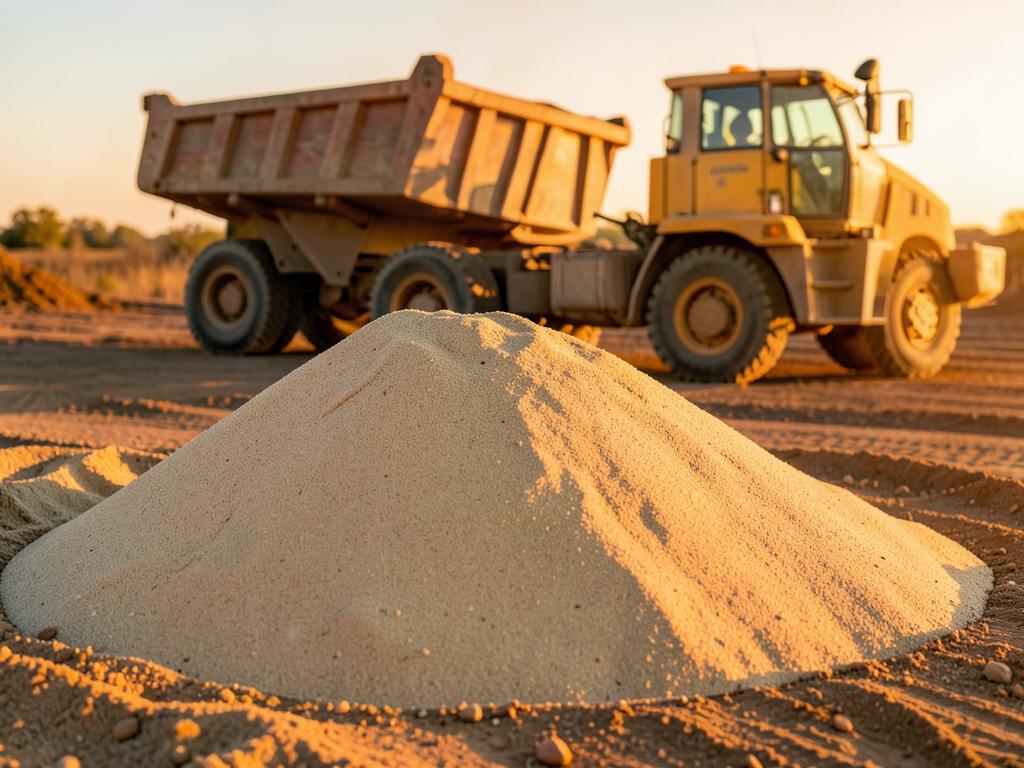
Sand stockpile ready for delivery at the Pearland yard

BUYING GUIDE[01]

Choosing the right sand for the job

Sand is the most misordered material in the yard. Sharp sand and mason sand look similar in a pile and behave completely differently underfoot.

Sharp sand versus mason sand

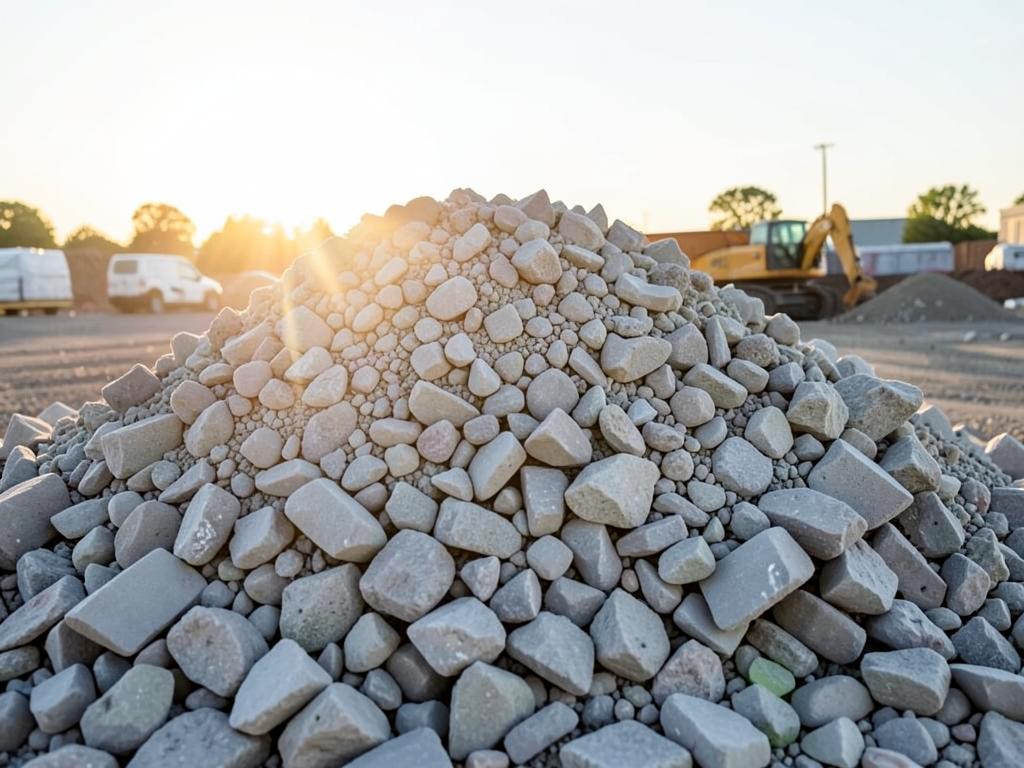
Sharp sand — also called concrete sand or bedding sand — has angular grains of mixed size. Those angles lock together under load, which is what makes it the correct bedding layer under pavers, flagstone and above-ground pools.

Mason sand is finer and more uniform, with rounded grains. It mixes smoothly into mortar, sweeps nicely into paver joints and makes a comfortable base for a sandbox or a volleyball court. Use it under pavers and the surface will rut, because rounded grains roll past each other rather than interlocking.

If you are unsure, tell us the job rather than the product name and we will load the right one.
Bedding depth and screeding

A paver bedding layer should be one inch of sharp sand, screeded level, over a compacted base of crushed concrete or limestone. More sand is not better: a thick bedding layer behaves like a cushion and lets pavers migrate.

Screed with two lengths of one inch conduit as rails and a straight two-by-four as the strike board. Pull the rails as you go and fill the channels by hand. Do not walk on a screeded bed.

Drainage use

Washed sharp sand is a good drainage medium because the silt has been rinsed out. Silty sand packs into something close to concrete when it dries, which is why bank-run material is a poor substitute in French drains and dry wells.

For heavy clay yards that pond, a sand-and-loam blend worked into the top four inches will do more for infiltration than sand alone laid on top.

Coverage per cubic yard

How far one cubic yard of sand spreads at common depths.

DepthCovers per yardTypical use
1"324 sq ftTop-dressing an existing lawn
2"162 sq ftLevelling before seed or sod
3"108 sq ftBed fill and planting depth
4"81 sq ftDriveway base lift, deep beds
6"54 sq ftPad build-up and heavy grading

Mistakes we watch people make

  • !Using mason sand under pavers. It will rut within a season.
  • !Building a thick sand bed instead of a proper compacted base.
  • !Buying unwashed sand for drainage work.
  • !Storing sand uncovered next to a storm drain during hurricane season.

How much sand do you need?

Punch in your area and depth. Round up to the nearest yard when you order — it is cheaper than a second trip. Not sure on depth? Call the yard at (713) 555-0142.

ESTIMATED

7.4 yd³

Order round numbers — material settles as it spreads.

Sand questions

Which sand goes under an above-ground pool?

+

Mason sand, two inches, screeded dead flat. It is fine enough not to bruise the liner.

How much sand for a paver patio?

+

One inch of sharp sand over your base: 324 square feet per cubic yard. Add ten percent for screed waste.

Do you carry play sand?

+

We carry washed mason sand, which most families use for sandboxes. Call the yard if you need a certified play-grade product.

Need a load this week? We'll price it today.