Materials · 6 min read
Topsoil vs Fill Dirt: Which One Does Your Job Need?
They both look like dirt in the driveway, but using one where the other belongs is the single most expensive mistake we see homeowners make.
August 3, 2026 · Gulf Gravel & Dirt
Quick takeaways
- Fill dirt for volume and structure, topsoil for growing.
- Compact fill in six-inch lifts, not one deep pile.
- Three to four inches of topsoil over fill is plenty.
01
The difference is organic matter
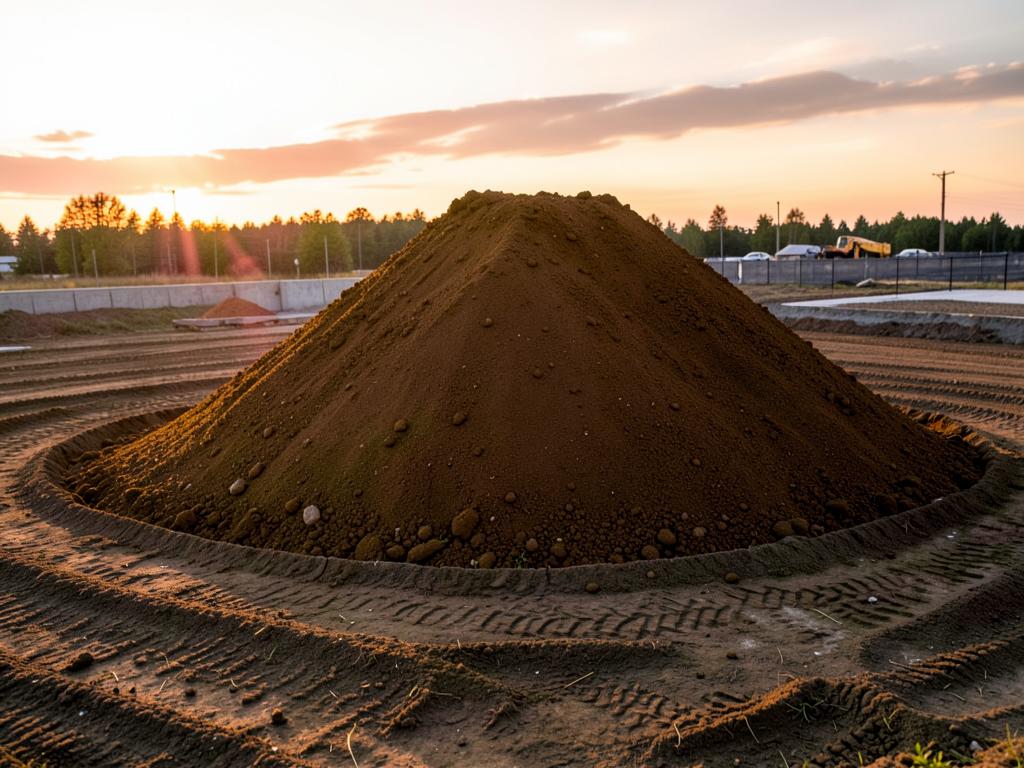
Topsoil is the living upper layer of soil — screened, dark, full of organic material, and built to grow things. Fill dirt is subsoil taken from below that layer. It has very little organic content, which is exactly why it compacts hard and stays where you put it.
Organic matter decomposes over time. That is wonderful under a lawn and terrible under a slab, because as it breaks down the ground settles and whatever is sitting on top settles with it.
02
Use fill dirt when the dirt goes under something
Raising a low pad, backfilling a pool, building up behind a retaining wall, filling a trench, creating a base for a shed — all fill dirt. It is cheaper per yard than topsoil and it is the correct engineering choice, not a compromise.
Place it in lifts of six inches or so, wet it lightly, and compact each lift before adding the next. Dumping four feet of fill in one pile and driving over the top gives you a soft column that will settle for years.
03
Use topsoil when the dirt has to grow something
Sod, seed, garden beds, tree rings, and the final leveling layer over a fill job all want topsoil. Three to four inches over compacted fill gives roots room to establish.
On Gulf Coast clay, many yards do better with sandy loam than straight topsoil. Loam drains faster, and our clay soils already hold more water than most grass wants after a heavy week.
04
The common mistake
Someone raising a yard six inches orders all topsoil because it sounds like the better product. Two seasons later the whole area has sunk unevenly and the money is gone.
The right build is fill dirt for volume, compacted in lifts, topped with three to four inches of topsoil or loam. You buy the expensive material only where it does work.
Run your numbers
ESTIMATED
7.4 yd³
Order round numbers — material settles as it spreads.
Keep reading
Ordering
How Much Dirt Do I Actually Need? A Yard-by-Yard Guide
Ordering dirt by feel is how driveways end up with half a pile left over. Here is the simple math we walk customers through on the phone every day.
Drainage
Fixing Standing Water in a Houston Clay Yard
Gulf Coast clay holds water like a bathtub. Here is how we regrade a yard with dirt instead of digging a French drain across the whole thing.
Driveways
Building a Gravel Driveway That Does Not Wash Out
Base depth, gradation and crown are the three things that decide whether your driveway lasts a decade or ruts out by the second wet season.